Diana Nuri Rohmawati
The global aviation industry has entered a transformative era characterized by rising ticket prices, reduced competition, and the integration of sophisticated artificial intelligence to manage revenue. For nearly two decades, travelers benefited from a surplus of routes and the aggressive expansion of budget carriers, but recent economic shifts have altered the landscape. Industry analysts observe that the era of ultra-low-cost fares is being replaced by a "new normal" where ticket pricing is dictated by complex algorithmic models and significant operational overhead. As of 2024, the structural composition of the airline industry has consolidated into a few dominant players, creating a market environment where consumers face fewer choices and higher financial barriers to air travel.
The Evolution of the Modern Airline Industry: A Historical Context
To understand the current pricing environment, it is necessary to examine the chronological progression of the industry over the last fifty years. The trajectory of air travel costs was fundamentally altered by the Airline Deregulation Act of 1978 in the United States, which removed federal control over fares, routes, and market entry of new airlines. This led to an initial explosion of competition and a dramatic decrease in the real cost of air travel.
However, the 21st century has been marked by a period of intense contraction and consolidation. The 2008 global financial crisis served as a primary catalyst for this shift. As demand plummeted, major carriers were forced into bankruptcies and subsequent mergers to survive. In the United States, this resulted in the emergence of the "Big Three"—American Airlines, Delta Air Lines, and United Airlines—which now control the vast majority of domestic and international traffic.
The timeline of consolidation continued into the 2020s. In late 2024, the industry witnessed the bankruptcy filing of Spirit Airlines, a pioneer in the ultra-low-cost carrier (ULCC) model, following a blocked merger with JetBlue. Simultaneously, the acquisition of Hawaiian Airlines by Alaska Airlines further reduced the number of independent operators. In Canada, the market remains a duopoly dominated by Air Canada and WestJet, while in Europe, the landscape is controlled by three major groups: Air France-KLM, International Airlines Group (IAG), and Lufthansa, despite the presence of robust budget options like Ryanair and EasyJet.
Primary Drivers of Increasing Airfare Costs
The escalation in ticket prices is not the result of a single factor but rather a convergence of escalating operational costs and structural market changes. According to industry data, four primary variables dictate the baseline cost of a seat: fuel prices, labor, taxes, and the supply-demand imbalance.
The Volatility of Jet Fuel
Fuel remains the largest variable expense for any airline, typically accounting for 20% to 30% of total operating costs. Historical data reveals a staggering increase in these expenses. In 2017, jet fuel prices averaged approximately $1.37 per gallon. By 2024, global events and supply chain constraints pushed these prices toward an average of $6.49 per gallon in certain regions—a nearly fivefold increase. Because airlines operate on thin profit margins, these costs are almost immediately passed to the consumer in the form of higher base fares or fuel weight surcharges.
Taxation and Infrastructure Fees
The "sticker price" of an airline ticket often obscures a significant portion of the cost allocated to government taxes and airport security fees. Major international hubs, particularly in Europe and the United Kingdom, have implemented steep environmental and passenger duty taxes. For instance, travelers flying out of London Heathrow may find that nearly 50% of their total ticket price is comprised of non-airline fees, including the Air Passenger Duty (APD), which is designed to offset carbon emissions but significantly raises the cost of long-haul travel.
Post-Pandemic Supply Constraints
The COVID-19 pandemic caused a total disruption of the aviation supply chain. In 2020 and 2021, airlines retired hundreds of older, less efficient aircraft and laid off or offered early retirement to thousands of pilots and ground crew members. When global demand for travel surged in 2023—a phenomenon often called "revenge travel"—airlines found themselves with insufficient capacity. This shortage of available "seat miles" allowed carriers to maintain high prices even as load factors (the percentage of seats filled) reached record highs.
The Role of Artificial Intelligence and Dynamic Pricing
One of the most misunderstood aspects of modern airfare is the use of dynamic pricing. Airlines no longer set static prices for seats; instead, they utilize Revenue Management Systems (RMS) powered by artificial intelligence and machine learning.
These AI systems process millions of data points in real-time, including historical booking trends, competitor pricing, local events (such as the Olympics or major concerts), and even weather patterns. The primary objective of these systems is to maximize the "load factor" while ensuring the highest possible revenue per available seat mile (RASM).
Contrary to popular belief, airlines generally do not use browser cookies to track individual users and raise prices. Instead, the price fluctuations consumers see are the result of the AI responding to "fare buckets." On a standard domestic flight, there may be 10 to 15 different price tiers for the same economy cabin. As seats in the cheapest bucket are sold, the system automatically opens the next, more expensive bucket. If a sudden surge in searches or bookings occurs for a specific date, the AI interprets this as high demand and may skip lower-priced buckets entirely to capitalize on the market’s willingness to pay.
Industry Perspectives and Official Responses
Industry leaders argue that despite rising prices, the current market reflects the actual cost of providing safe and reliable transportation. In a recent industry summit, Willie Walsh, Director General of the International Air Transport Association (IATA), noted that while fares are rising, airline profit margins remain remarkably slim, often averaging just a few dollars per passenger.
"The industry is recovering from a period of unprecedented losses," Walsh stated. "Airlines must invest in new, more fuel-efficient aircraft and meet stringent net-zero carbon goals by 2050. These investments require capital, which can only be generated through sustainable pricing models."
Consumer advocacy groups, however, offer a different perspective. Organizations such as the American Association of Retired Persons (AARP) and various passenger rights groups have expressed concern that the lack of competition is marginalizing budget-conscious travelers. They argue that as legacy carriers consolidate, they have less incentive to offer the "rock-bottom" fares that were common in the mid-2010s.
Broader Impact and Future Implications
The shift toward higher airfare has significant implications for global mobility and the economy. As travel becomes more expensive, it risks becoming a luxury service rather than a utility. This has a ripple effect on the tourism sectors of developing nations that rely on affordable international flights to bring in visitors.
Furthermore, the "load factor" obsession has led to a decrease in passenger comfort. To maximize revenue, airlines have reduced seat pitch and width to fit more passengers onto each flight. This "densification" of cabins, combined with higher prices, has led to a decline in overall passenger satisfaction scores across the industry.
Looking ahead, analysts suggest that the "sweet spot" for booking tickets has narrowed. While it was once possible to find deals a year in advance or at the very last minute, AI-driven models now focus on a 90-day window. Approximately three months before a flight, airlines begin active management of their bottom-tier price points. Travelers who book within 30 days of departure are increasingly categorized as "inelastic" by the algorithms—meaning the system assumes they must travel regardless of cost—resulting in the highest possible fares.
Conclusion: Navigating the New Economic Reality of Flight
The architecture of airline pricing is a reflection of a matured, consolidated, and highly digitized industry. The combination of fivefold fuel price increases, reduced competition through mergers, and the precision of AI-driven revenue management has created a permanent upward pressure on airfare.
While the days of $20 cross-country flights may be largely over, understanding the mechanics of the industry provides a roadmap for the modern traveler. Flexibility has become the most valuable currency in the aviation market. By understanding that prices are a reflection of supply-side constraints and algorithmic reactions to demand, consumers can better time their purchases. However, as the industry continues to prioritize profitability and debt recovery following the 2020 crisis, the global public must adapt to an environment where the cost of flight is more closely aligned with its high operational and environmental realities.



 Chandra Hamzah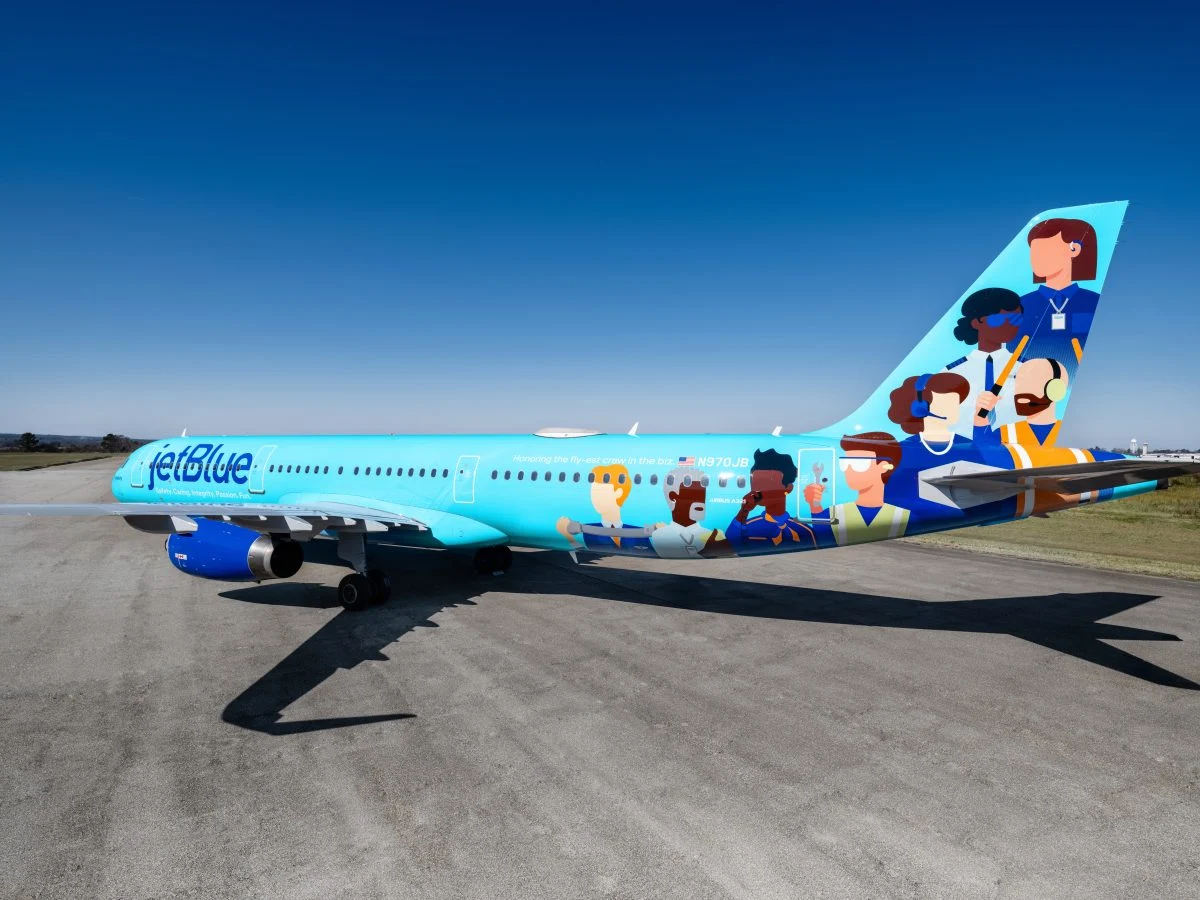
 Gabriela Annisa
 Tatiana Tantri Indah Sari
 Budi Mulyono
 Anjar Salim