
 Diana Nuri Rohmawati
Tokyo remains a premier global destination, characterized by its multifaceted urban landscape that blends ancient traditions with avant-garde subcultures. As of 2024, Japan’s capital has seen a significant surge in international arrivals, with the Japan National Tourism Organization (JNTO) reporting record-breaking monthly visitor numbers following the full reopening of borders post-pandemic. Within this resurgence, a notable shift has occurred in travel preferences: tourists are increasingly moving away from standardized, "cookie-cutter" sightseeing in favor of hyper-local, experiential tourism. This trend is best exemplified by the rise of specialized Airbnb Experiences, which have begun to challenge traditional tour operators by offering intimate access to the city’s culinary, historical, and social infrastructures.
The Landscape of Modern Experiential Travel in Japan
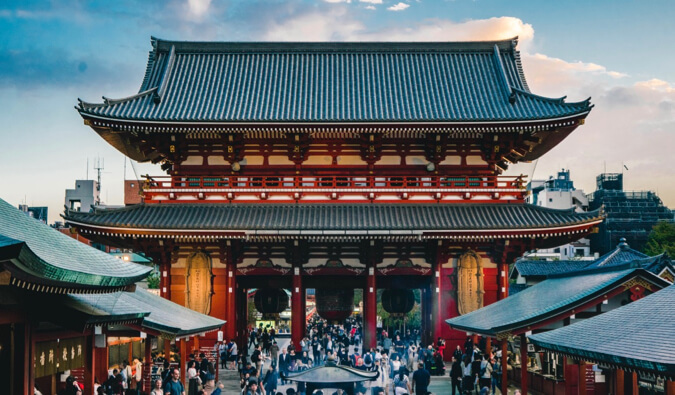
For decades, Tokyo’s tourism was defined by large-scale bus tours and visits to major landmarks such as the Tokyo Skytree or the Senso-ji Temple. However, contemporary data suggests that modern travelers prioritize "authentic" engagement over passive observation. Platforms like Airbnb have capitalized on this by facilitating tours led by long-term residents and local professionals—ranging from certified sushi chefs to university lecturers. While traditional companies such as Get Your Guide and Arigato Travel continue to maintain a strong presence, the decentralized nature of local-led experiences allows for a deeper exploration of Tokyo’s "hidden" layers, such as its izakaya culture, niche coffee scenes, and underground street art.
The economic impact of this shift is substantial. By decentralizing tourism from major hubs to local neighborhoods like Jimbocho, Yanaka, and Kanda, experiential travel distributes economic benefits more equitably across the city’s small businesses. This movement is supported by the current valuation of the Japanese Yen, which has made high-quality, specialized tours more accessible to international visitors, further fueling the demand for premium, small-group interactions.
Culinary Education: From Sushi Omakase to Ramen Science
Gastronomy is the primary driver of Tokyo’s tourism economy. According to recent industry reports, over 70% of visitors cite Japanese food as their primary motivation for visiting the country. To meet this demand, culinary experiences have evolved from simple tastings to rigorous educational workshops.
In the Shimbashi and Tsukiji districts, traditional sushi-making classes have transitioned into professional environments. Unlike standard cooking schools, these experiences are often hosted within active omakase restaurants. Led by trained sushi masters or their senior apprentices, these sessions provide technical instruction on rice seasoning—balancing vinegar, sugar, and salt—and the precise anatomy of fish slicing. This educational approach highlights the "Shokunin" spirit—the Japanese pursuit of perfection in one’s craft—offering participants a perspective on why certain cuts of fish are prized and how texture influences flavor profiles.
Similarly, the "Ramen Tour" phenomenon reflects the global obsession with Japan’s soul food. These tours serve as a chronological study of the dish, tracing its origins from Chinese-style wheat noodles to the regional variations seen today, such as the heavy tonkotsu of Kyushu or the miso-based broths of Hokkaido. By visiting multiple specialized shops, participants gain an understanding of the competitive nature of the ramen industry, where broth-making is treated with the same reverence as fine wine production.
The Sociology of the Izakaya and Japan’s Spirits Industry
Tokyo’s nightlife is an essential component of its social fabric, particularly the izakaya—informal gastropubs that serve as the primary setting for social bonding in Japanese corporate and private life. In districts like Shibuya and Shinjuku, nightlife tours have become a conduit for understanding Japanese social etiquette.
Guided experiences in Shibuya often focus on "untouristy" locations that remain largely invisible to those who do not speak Japanese. These tours provide an entry point into the complex world of unlimited drink menus (nomihodai) and the etiquette of shared plates (osozai). In Shinjuku, specifically within the narrow alleyways of Omoide Yokocho or the Golden Gai, tours led by sake sommeliers offer a deep dive into the fermentation process of Nihonshu (sake).
The data surrounding Japan’s alcohol exports supports this interest; the global demand for Japanese whiskey and sake has reached all-time highs. Consequently, educational tasting classes—which utilize visual aids to explain the polishing ratio of rice or the impact of mountain water on whiskey aging—have become highly sought after. These sessions provide a controlled environment for visitors to navigate a beverage landscape that can otherwise be intimidating due to language barriers and complex labeling.
Historical Contextualization: The Edo-Meiji Transition
While Tokyo is often viewed through the lens of futurism, its historical roots are vital to understanding its current urban planning. Historical walking tours, often led by academics or history lecturers, focus on the "Shitamachi" or old-town areas that survived the firebombing of World War II and the Great Kanto Earthquake of 1923.
Neighborhoods like Yanaka and Nezu provide a living timeline of the city. The Nezu Shrine, with its iconic hillside of azaleas and red torii gates, serves as a backdrop for discussions on the Edo period (1603–1867). These tours analyze the Meiji Restoration and the subsequent modernization of Japan, explaining how the samurai class was integrated into the new imperial bureaucracy. By walking through "temple towns" and traditional craft districts, travelers receive a factual narrative of how a feudal fishing village transformed into a global megalopolis in less than 150 years.
Niche Subcultures: Coffee, Matcha, and the Street Art Paradox
Tokyo’s ability to adopt and refine foreign concepts is evident in its coffee culture. Areas like Jimbocho—known for its second-hand bookstores—and Kanda host a burgeoning specialty coffee scene. Experiential tours in these districts contrast the kissaten (traditional Japanese coffee houses) with the "third-wave" movement. This comparison illustrates Japan’s meticulous approach to brewing techniques and the cultural importance of the "master" of the house, who often spends decades perfecting a single pour-over method.
In contrast to the slow-paced coffee scene is the underground world of Tokyo street art. Japan maintains strict vandalism laws, making street art a rare and often misunderstood medium. Tours through Shibuya and Harajuku explore the legal gray areas of public murals and the underground collectives that operate within them. This provides a rare look at a counter-culture that exists in tension with Japan’s societal emphasis on order and public cleanliness.
For those seeking a more traditional spiritual experience, the organic matcha tea ceremony remains a staple. These sessions are increasingly focusing on the chemical properties of tea and the grading systems that distinguish ceremonial-grade matcha from culinary varieties. This reflects a broader trend of "wellness tourism," where visitors seek out the meditative qualities of the Japanese tea ritual as an antidote to the city’s high-energy environment.
Logistical Infrastructure and Economic Considerations
The success of these experiences is inextricably linked to Japan’s robust travel infrastructure. Logistics remain a critical factor for the international traveler. Services like Skyscanner and Booking.com remain the primary tools for navigating the cost-effective entry into the country, while the Japan Rail (JR) Pass continues to be a cornerstone of domestic travel. However, it is important to note that as of late 2023, the price of the JR Pass increased by approximately 70%, prompting many travelers to reconsider their transit strategies and spend more time exploring single cities like Tokyo in greater depth—a shift that directly benefits the local experience market.
Travel insurance has also become a non-negotiable aspect of the Japanese travel experience. With the rising costs of healthcare globally and the potential for natural disruptions, major providers have seen an uptick in comprehensive policy purchases from visitors to East Asia. This reflects a more cautious and prepared demographic of traveler who views these local experiences as investments worth protecting.
Implications for the Future of Tokyo Tourism
The move toward local-led, specialized experiences represents a maturation of the Japanese tourism market. As Tokyo grapples with the challenges of overtourism in concentrated areas like the Shibuya Crossing or the Harajuku Takeshita Street, these Airbnb Experiences offer a viable solution by diverting foot traffic to under-visited neighborhoods and providing high-value, low-impact cultural exchanges.
Industry analysts suggest that the future of travel in Tokyo will be defined by "micro-niches." As visitors return for their second or tenth visits, the demand for general sightseeing will continue to wane, replaced by a desire for technical mastery—be it in pottery, martial arts, or culinary science. The professionalization of local expertise not only enriches the visitor’s journey but also fosters a sense of pride and economic sustainability within the local community. Tokyo’s "endless depth" is no longer just a marketing slogan; it is a measurable economic reality driven by a global audience hungry for authentic, factual, and immersive engagement with Japanese culture.




 Chandra Hamzah
 Tatiana Tantri Indah Sari
 Budi Mulyono
 Anjar Salim

