Cholid Fahmi Thalib

Nestled against the backdrop of the Blue Ridge Mountains, the town of Hendersonville, North Carolina, has carved out a unique niche in the regional culinary tourism sector. The Hendersonville NC Ice Cream Trail, which officially debuted in the summer of 2023, has rapidly transformed from a localized seasonal novelty into a major economic and cultural driver for Henderson County. Comprising 13 distinct stops distributed throughout the city limits and surrounding municipalities, the trail offers residents and tourists a structured itinerary designed to showcase local artisanal creameries, family-owned parlors, and farm-to-table frozen dessert producers.
As culinary tourism continues to grow as a primary motivator for travelers in Western North Carolina, initiatives like the Ice Cream Trail provide an effective framework for distributing visitor traffic beyond traditional downtown hubs. By intentionally routing consumers to small businesses across Henderson County, local tourism boards have successfully stimulated foot traffic for independent operators, encouraging extended stays and multi-stop itineraries that benefit the broader regional economy.
Chronology and Background of the Trail’s Expansion
The conceptualization of the Hendersonville Ice Cream Trail arrived at a time when themed culinary trails were experiencing a surge in popularity nationwide. Food and beverage trails have increasingly become a favored strategy for destination marketing organizations seeking to highlight regional assets through immersive, self-guided experiences. Launched in mid-2023 by local tourism authorities, the trail initially aimed to unify disparate sweet-shop operators under a single promotional umbrella.
Within its first two years of operation, the initiative saw steady expansion, incorporating diverse stops that range from historic family-run establishments operating for decades to contemporary artisanal makers utilizing locally sourced agricultural products. The progression of the trail mirrors a broader shift in consumer preferences toward experiential travel, where visitors increasingly seek out authentic, hyper-local products that reflect the agricultural and cultural identity of the destination they are visiting.
Economic Implications and Culinary Tourism Data
The economic implications of specialized food trails on rural and semi-rural economies are well-documented. According to regional tourism metrics, culinary tourists tend to spend significantly more per trip than standard leisure travelers, with a substantial portion of those expenditures directly benefiting independent food service providers, agriculture, and hospitality sectors.
In Henderson County, the Ice Cream Trail acts as a complementary economic engine to the area’s established apple orchards, craft breweries, and outdoor recreation infrastructure. Because the trail intersects with the region’s prominent hiking, biking, and water sports offerings, it creates a symbiotic relationship between physical activity and dietary indulgence. Visitors frequently utilize local outdoor amenities before or after visiting participating parlors, thereby supporting a cyclical local economy that bridges agriculture, recreation, and retail hospitality.
Detailed Overview of Trail Stops
The 13-stop itinerary features a diverse spectrum of business models, ranging from traditional scoop shops to vertically integrated farm operations and globally inspired paleterias. Below is a detailed examination of prominent stops along the trail, highlighting their operational histories, culinary philosophies, and contributions to the local food scene.
Celtic Creamery: An International Collaboration
Located at 227 7th Avenue E, Celtic Creamery (#2 on the trail) brings an international pedigree to downtown Hendersonville. The business traces its origins to Ballybunion, a coastal town in northwestern Ireland, where the brand’s founder encountered Sundaes—an award-winning, family-owned ice cream parlor. Recognizing the exceptional quality and velvety texture of the product, local stakeholders collaborated with the Irish proprietors to replicate the artisanal methods in North Carolina.
Celtic Creamery maintains a rotating inventory of 58 flavors, featuring 14 selections weekly. Staples such as Irish Butter Pecan and inventive formulations like C&B (salted caramel and honey) exemplify the shop’s commitment to natural flavor profiles without artificial cloying sweetness. Furthermore, the establishment accommodates pet owners through specialized offerings like "Pup Cups," reinforcing the community-oriented business model common across the trail.
The Baker’s Box: Culinary Precision and Playful Atmosphere
Situated at 1508 Asheville Highway, The Baker’s Box (#12 on the trail) represents a fusion of professional pastry arts and savory dining. Operated by professional chefs George and Mara Nicholas, the establishment functions primarily as a lunch and dinner venue while maintaining a prominent position on the Ice Cream Trail.
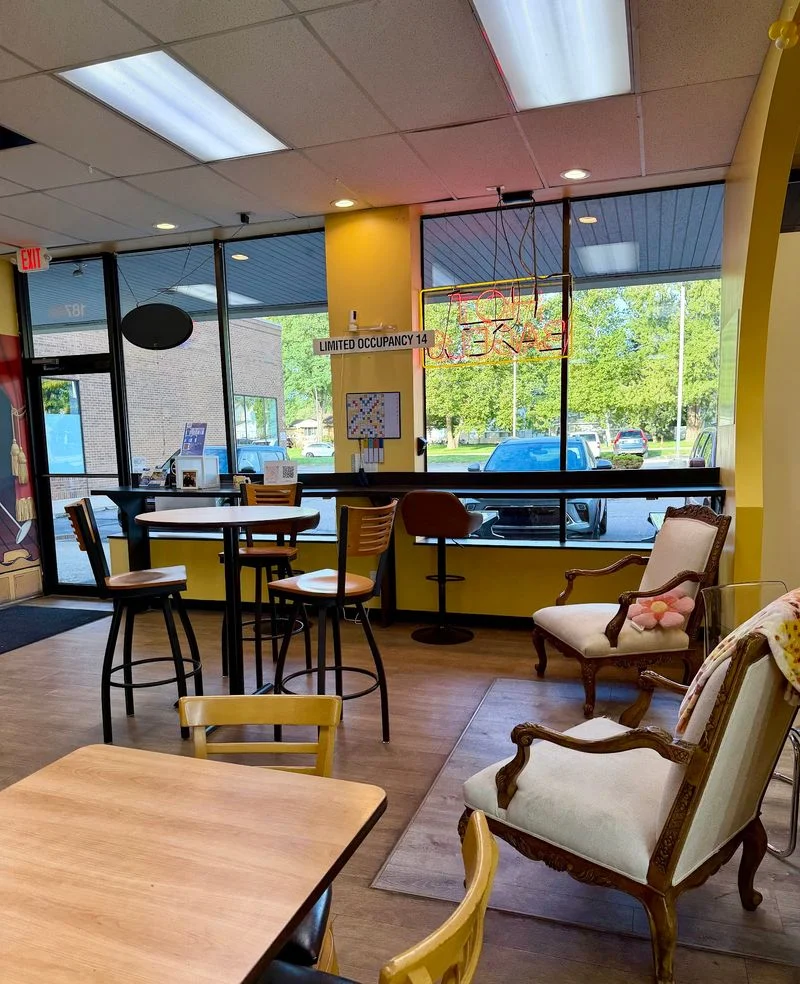
Mara Nicholas, trained as a pastry chef, oversees the production of small-batch ice creams that incorporate complex flavor profiles, such as bourbon with fudge swirls and caramel peach with honey-roasted pecans. The emphasis on scratch-made components—ranging from burger buns to artisanal ice cream bases—underscores a rigorous culinary standard that elevates the casual dining experience. In addition to its culinary offerings, the venue engages families and collectors through a playful interior design featuring an extensive collection of assembled LEGO sets and a running model train.
Piggy’s Ice Cream: A Multi-Generational Institution
As one of the longest-standing dessert destinations in the area, Piggy’s Ice Cream (#5 on the trail), located at 102 Duncan Hill Road, embodies the historical continuity of Hendersonville’s culinary landscape. Established in 1979 by Harry Thompson and his wife, Sallie, the business is currently operated by their son, Michael Thompson, and his wife, Elaine.
Piggy’s maintains a traditional approach to ice cream distribution, offering between 24 and 30 daily flavors sourced from established regional producers such as Mayfield and Bluebell. In 1993, following the passing of Harry Thompson, the family expanded the operation to include Harry’s Grill, converting the location into a hybrid dining destination where patrons can access classic American fare—including hamburgers, hot dogs, and barbecue—alongside traditional ice cream sundaes, milkshakes, and banana splits.
El Rio Ice Cream & Paleteria: Broadening Cultural Flavors
Representing the diverse demographic and culinary evolution of Henderson County, El Rio Ice Cream & Paleteria (#4 on the trail), situated at 2000 Spartanburg Highway, has operated since 2014. The shop offers more than 30 varieties of homemade ice cream, incorporating unconventional and traditional Latin American flavors such as blackberry cream cheese, passion fruit, pine nut, queso, and avocado.
In addition to standard scoops and banana splits, El Rio provides regional specialties including choco fresas, chamoyada, and esquites, alongside an extensive selection of fruit-based paletas (popsicles) featuring tropical profiles like mango, guava, guanabana, and key lime. The establishment broadens the sensory scope of the Ice Cream Trail, introducing international confectionery traditions to local consumers.
McConnell Farms Ice Cream: Vertical Integration and Agritourism
Operating at 170 Old Dana Road, McConnell Farms Ice Cream (#10 on the trail) exemplifies the integration of local agriculture with value-added food production. Run by Danny and Kathryn McConnell, the family farm has produced small fruits, vegetables, ciders, and preserves for decades.
Ice cream production began in 1999 when the proprietors restored a historic 1908 ice cream machine affectionately known as "Miss Gaudy." Following initial success with strawberry production, the farm upgraded its equipment and obtained formal certification for commercial ice cream manufacturing. A significant proportion of the farm’s ice cream inventory directly incorporates agricultural yields harvested on-site, including blackberries, raspberries, peaches, apples, figs, and honey. This vertically integrated model provides consumers with an authentic agritourism experience rooted in the seasonal rhythms of Western North Carolina agriculture.
Extending Beyond City Limits: Etowah and Fletcher
While anchored in Hendersonville proper, the trail extends into broader Henderson County, capturing regional destinations that share the initiative’s commitment to quality and hospitality.
Karolina Kremes (#6 on the trail), located in an Etowah strip mall at 96 Etowah Center Drive, is operated by brothers Brandon and Aaron Miller. Utilizing Hershey’s ice cream and soft-serve products, the kiosk offers more than 50 milkshake combinations alongside classic scoops. The business emphasizes a family- and pet-friendly environment, incorporating recreational elements such as a bubble machine, sidewalk chalk, and hopscotch courses for visiting patrons.
Baabals Ice Cream Shoppe & Family Grille (#1 on the trail), situated at 188 St. John Road in Fletcher, marks the geographical northern terminus of the trail. Housed within a historically significant 1906 structure that previously functioned as a tea room, Baabals offers the largest daily selection of ice cream along the trail, featuring 36 flavors of Hershey’s ice cream, 40 milkshake variations, and an extensive lunch menu prepared by owner Roy Dickerson. The establishment serves as a community hub, featuring indoor recreational spaces, a second-story consignment shop, and a wraparound porch designed to accommodate high volumes of seasonal tourists and local residents.
Broader Impact and Future Outlook
The sustained growth of the Hendersonville Ice Cream Trail underscores the viability of structured culinary itineraries as tools for regional economic development. By connecting independent operators through a unified promotional framework, Henderson County has successfully fortified its position as a multifaceted destination for culinary tourists.
Industry analysts note that as travelers increasingly prioritize authenticity, local sourcing, and experiential engagement, initiatives that spotlight small-batch manufacturers and family-owned enterprises will continue to anchor rural tourism strategies. For Hendersonville, the Ice Cream Trail represents not merely a recreational pastime, but a calculated intersection of agriculture, small business advocacy, and community-driven tourism management that yields measurable economic benefits across the region.


 Lukman Taruna Persada Ramadan

 Tatiana Tantri Indah Sari
 Anjar Salim

 Budi Mulyono