
 Cholid Fahmi Thalib
Western North Carolina has long been celebrated for its majestic Blue Ridge Mountain vistas, vibrant outdoor recreation economy, and rich agricultural heritage. In recent years, however, the region has cultivated a new culinary identity that appeals specifically to dessert enthusiasts. Central to this gastronomic evolution is the Hendersonville NC Ice Cream Trail, a regional tourism initiative that directs locals and visitors alike across a curated path of frozen confectionery artisans. Spanning 13 distinct stops throughout Hendersonville and the wider expanse of Henderson County, the trail merges regional agriculture, small-business entrepreneurship, and tourism development into a singular, highly popular itinerary.
Launched formally in the summer of 2023 by local tourism authorities, the Hendersonville NC Ice Cream Trail was designed to encourage longer visitor stays, distribute foot traffic beyond the historic downtown core into surrounding townships, and highlight the area’s diverse culinary landscape. Since its inception, the trail has experienced a steady surge in popularity, serving as a case study in how niche thematic trails can stimulate local economic activity.
The Evolution and Economic Impact of Culinary Trails
The implementation of the ice cream trail reflects a broader national trend in destination marketing: the rise of experiential, food-focused itineraries. Culinary tourism has transformed from a secondary travel consideration into a primary driver for regional economies. By organizing independent dessert shops, farm-to-table creameries, and family-owned grills into a cohesive map, the Hendersonville initiative provides an accessible framework for tourists to explore the county systematically.
Tourism officials note that initiatives of this scale carry significant implications for micro-enterprises. Unlike standardized corporate franchises, the majority of the 13 stops along the trail are independently operated small businesses. By drawing sustained foot traffic to locations in peripheral communities such as Etowah, Fletcher, and unincorporated agricultural districts, the trail supports regional job retention, fosters community identity, and encourages cross-promotion between outdoor recreation and hospitality sectors. Visitors frequently pair a morning of hiking, mountain biking, or water sports within the Blue Ridge Mountains with an afternoon stop along the trail to replenish calories, effectively creating a symbiotic relationship between ecological tourism and the local food economy.
Chronology and Development of Trail Highlights
The architectural and historical makeup of the trail’s stops varies significantly, ranging from century-old farmsteads to modern commercial kiosks. Understanding the trajectory of these individual businesses provides essential context for the cultural fabric of Henderson County.
The Historic Roots of Traditional Parlors: Piggy’s Ice Cream
Dating back to its establishment in 1979 by Harry Thompson and his wife, Sallie “Piggy” Thompson, Piggy’s Ice Cream represents the foundational bedrock of the local dessert scene. Operating continuously for over four decades, the business was eventually passed down to their son, Michael Thompson, and his wife, Elaine. The family’s steadfast adherence to traditional recipes and high-volume commercial classics, such as Mayfield and Bluebell ice creams, established a regional standard for consistency.
In 1993, following the passing of Harry Thompson, the family expanded operations to include Harry’s Grill, strategically transforming the dessert destination into a hybrid dining establishment offering burgers, hot dogs, and barbecue. This operational evolution demonstrated an early regional understanding of multi-generational family dining needs, merging savory American staples with high-output dessert service.
Farm-to-Table Innovation: McConnell Farms Ice Cream
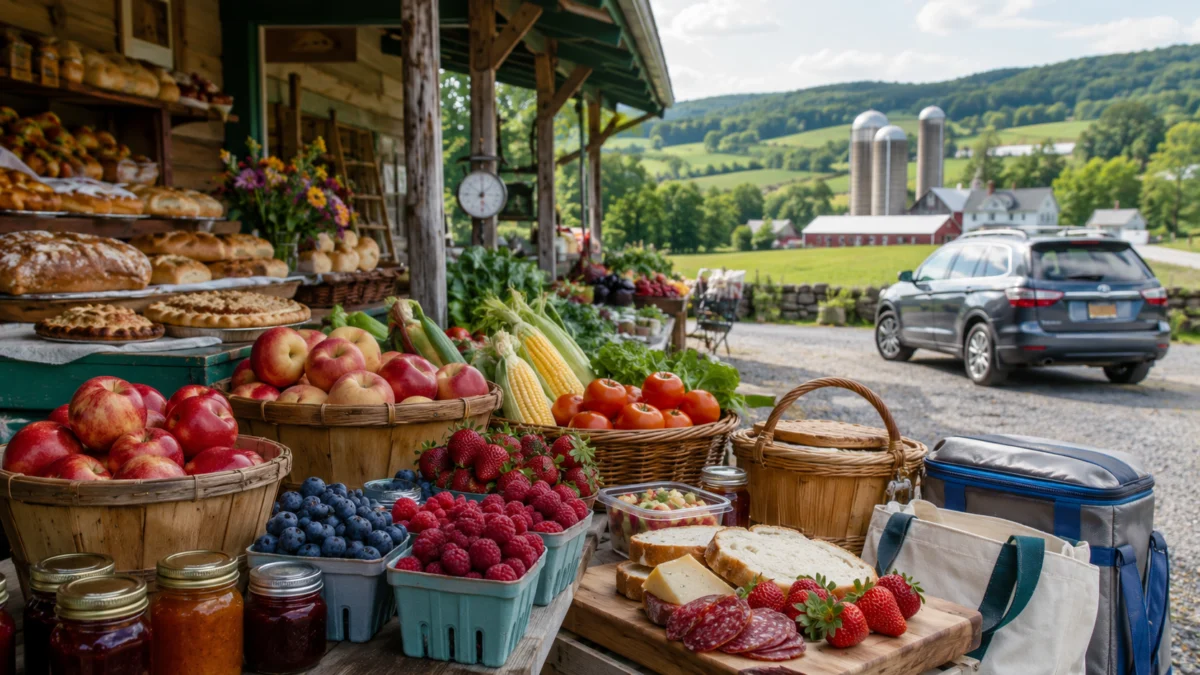
Operating at stop number 10 on the trail, McConnell Farms Ice Cream embodies the intersection of regional agriculture and artisanal manufacturing. Established by Danny and Kathryn McConnell, the farm has deep roots in producing small fruits, vegetables, ciders, and preserves.
The enterprise’s ice cream division originated in 1999 through the acquisition and restoration of a vintage 1908 ice cream machine affectionately known as “Miss Gaudy.” Initially restricted to strawberry production due to high demand, the operation eventually scaled, prompting the owners to complete formal certification courses in commercial ice cream production. Today, McConnell Farms utilizes its own agricultural yields—incorporating fresh strawberries, blackberries, raspberries, peaches, figs, apples, and honey—to manufacture small-batch seasonal flavors. This vertical integration reduces supply chain distances and provides consumers with an authentic taste of local terroir.
International Inspirations: Celtic Creamery
Reflecting the multicultural influences shaping modern Southern Appalachia, Celtic Creamery (Stop #2) traces its lineage to an unexpected international exchange. Founded by Kim Hogan and her brother Jeff, the business was conceived after Jeff traveled to Ireland and encountered Sundaes, an award-winning, family-owned parlor in Ballybunion.
Persuading the Irish proprietors to collaborate, the family brought authentic, velvety European-style ice cream manufacturing techniques to North Carolina. Opening its flagship location in coastal Carolina Beach before expanding inland to Hendersonville, Celtic Creamery features a rotating menu sourced from an expansive master list of 58 distinct formulations. The shop prioritizes natural flavor profiles—such as Irish butter pecan, salted caramel and honey, and seasonal key lime pie—while accommodating contemporary dietary demands through robust dairy-free and vegan alternatives. Furthermore, inclusive practices extend to visiting household pets, who are provided specialized "Pup Cups."
Artisanal Craftsmanship and Culinary Mergers
A defining characteristic of the contemporary Hendersonville ice cream scene is the blurring of lines between traditional dessert parlors, full-service restaurants, and farm-to-table eateries. Several key stops on the trail showcase professional culinary backgrounds integrated directly into ice cream creation.
The Culinary Precision of The Baker’s Box
Located on Asheville Highway, The Baker’s Box (Stop #12) represents a sophisticated approach to casual dining and dessert production. Operated by professional chef duo George and Mara Nicholas, the establishment functions simultaneously as a savory restaurant and an artisanal creamery. Mara, a classically trained pastry chef, oversees the production of custom wedding cakes, baked goods, and small-batch ice creams, while George manages savory kitchen operations including scratch-made burger buns and fresh dressings.
The integration of professional pastry techniques into ice cream formulation is evident in offerings such as bourbon ice cream with fudge swirls and honey-roasted pecan caramel peach. By producing components in-house without reliance on artificial colorings or chemical flavor enhancers, establishments like The Baker’s Box elevate the culinary standards of regional dessert trails.
Cultural Expansion at El Rio Ice Cream & Paleteria
Expanding the demographic and culinary scope of the Hendersonville trail, El Rio Ice Cream & Paleteria (Stop #4) has served the community since 2014. Specializing in traditional Mexican neveria and paleteria items, the family-owned enterprise offers over 30 house-made ice cream flavors, including blackberry cream cheese, pine nut, avocado, queso, and passion fruit.
In addition to standard cones and double-scoop cups, El Rio provides regional variations such as fruit-based paletas (popsicles), choco fresas, and complex savory-sweet combinations including chamoyadas and esquites paired with frozen fruit. This integration of Hispanic dessert traditions broadens the cultural appeal of the municipal trail, attracting a diverse demographic of residents and tourists.
Expanding Beyond City Limits: Regional Outposts
While anchored in Hendersonville proper, the official trail extends into the wider geography of Henderson County, incorporating municipalities that capitalize on regional tourism flows.
Karolina Kremes in Etowah
Situated within a commercial plaza parking lot in Etowah, Karolina Kremes (Stop #6) utilizes a vibrant physical kiosk format to engage families and travelers. Under the current ownership of brothers Brandon and Aaron Miller, who assumed operations in March 2024, the site combines retail efficiency with family-friendly amenities, including bubble machines, sidewalk chalk courses, and designated pet seating. Utilizing Hershey’s commercial ice cream products alongside an expansive menu of over 50 custom milkshake combinations, the location proves that quality dessert destinations do not require traditional brick-and-mortar storefronts to achieve commercial success.
Baabals Ice Cream Shoppe & Family Grille in Fletcher
Marking the northern geographic terminus of the trail (Stop #1), Baabals operates out of a historically significant 1906 residential structure in Fletcher that formerly functioned as a tearoom. Owned and operated by Roy Dickerson, the establishment utilizes a family-naming convention derived from the initials of his children and grandchildren.
Boasting the largest daily selection along the trail—featuring 36 rotating Hershey’s ice cream flavors, 40 milkshake variations, and extensive sundae menus—Baabals operates concurrently as a lunch destination serving Nathan’s hot dogs, pulled-pork barbecue, and traditional Brunswick stew. The site accommodates visitors through extensive wrap-around porch seating, game rooms, and vital accessibility infrastructure, illustrating how historical preservation can be successfully paired with modern commercial hospitality.
Broader Socioeconomic Implications and Future Outlook
The sustained growth of the Hendersonville NC Ice Cream Trail points to a larger structural shift in how regional tourism boards market secondary and tertiary cities. By bundling independent culinary businesses into an organized, gamified passport system, municipalities can successfully extend visitor length-of-stay and increase per-capita tourist spending.
Industry analysts observe that food trails mitigate the seasonal economic downturns typically experienced by mountain resort towns during shoulder months. As travelers increasingly seek authentic, localized, and multi-generational travel experiences, the combination of Blue Ridge outdoor recreation and artisanal food production ensures that initiatives like the Hendersonville Ice Cream Trail will remain a cornerstone of regional economic development strategies for years to come.


 Anjar Salim
 Chandra Hamzah
 Tatiana Tantri Indah Sari
 Budi Mulyono
 Lukman Taruna Persada Ramadan
