
 Walid Sujud Trenggono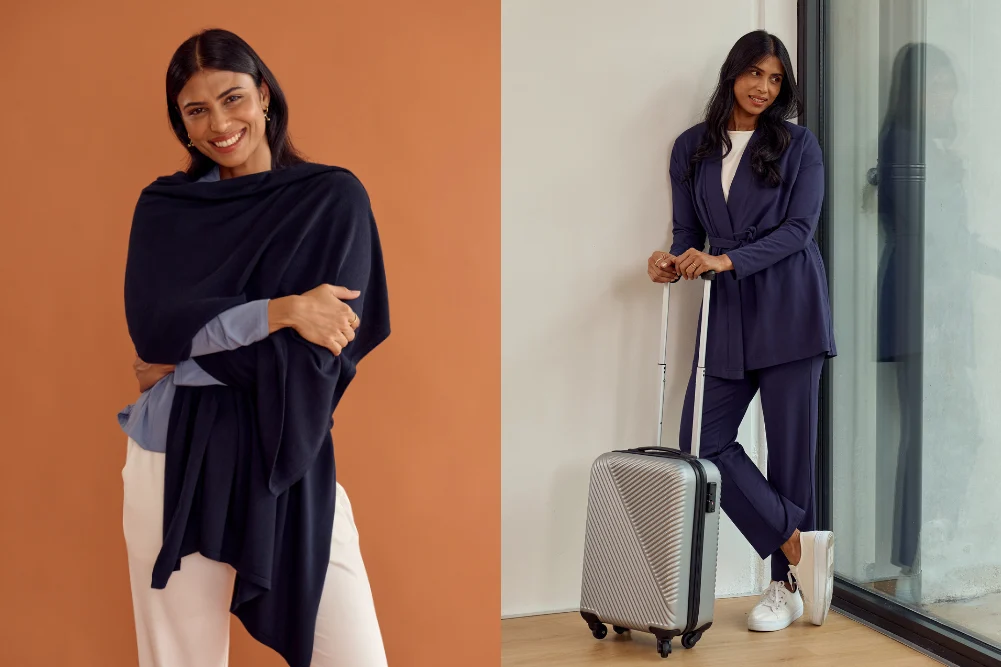
The modern traveler faces a unique set of physiological and psychological challenges when navigating the complexities of international transit. As global air traffic returns to and exceeds pre-pandemic levels, with the International Air Transport Association (IATA) projecting 4.7 billion passengers in 2024, the focus on passenger well-being has shifted from cabin amenities to personal preparation. Central to this preparation is the selection of travel attire, a factor that industry experts now recognize as a critical component of post-flight recovery and in-transit comfort. For nearly two decades, Australian textile innovators such as Bamboo Body have been at the forefront of this shift, utilizing sustainable bamboo-based fabrics to address the specific environmental rigors of long-haul aviation, road travel, and maritime cruising.
The Physiological Demands of Long-Haul Transit
To understand the necessity of specialized travel apparel, one must analyze the environment of a pressurized aircraft cabin. At cruising altitudes of approximately 35,000 feet, the cabin is pressurized to an equivalent altitude of 6,000 to 8,000 feet. This environment is characterized by humidity levels often lower than 20 percent—significantly drier than the typical 30 to 50 percent found in indoor ground-level environments. Furthermore, passengers are subjected to prolonged periods of sedentary behavior, which can lead to peripheral edema (swelling of the legs) and, in more severe cases, deep vein thrombosis (DVT).
Temperature regulation is another significant hurdle. Modern aircraft utilize sophisticated Environmental Control Systems (ECS), yet the distribution of air can lead to "micro-climates" within the cabin. A passenger may experience warmth during boarding and taxiing, followed by a sharp drop in temperature once the aircraft reaches cruise altitude. Traditional synthetic fabrics or heavy denims often fail to adapt to these fluctuations, leading to a cycle of perspiration and chilling. This is where the integration of advanced textiles becomes a functional necessity rather than a stylistic choice.
The Evolution of Travel Fashion: From Formality to Functionality
The history of travel attire has undergone a dramatic transformation over the last century. During the "Golden Age of Flight" in the 1950s and 1960s, air travel was a formal event, with passengers frequently donning suits, ties, and formal dresses. As aviation became more accessible in the 1980s and 1990s, the trend shifted toward casual wear. However, the rise of "fast fashion" introduced a prevalence of polyester and nylon blends that, while inexpensive, offered poor breathability and comfort.
In the early 2000s, a new niche emerged: functional travel wear. Australian brand Bamboo Body, established nearly 20 years ago, identified a gap in the market for clothing that combined the aesthetic of professional leisurewear with the performance of technical fabrics. Their approach centered on bamboo-sourced viscose, a material that has since gained global recognition for its unique properties. By focusing on soft, breathable, and stretchy silhouettes, the brand addressed the primary complaints of the long-haul traveler: stiffness, temperature discomfort, and a disheveled appearance upon arrival.
The Science of Bamboo Textiles in Aviation
The selection of bamboo as a primary textile for travel is supported by several key material properties. Bamboo fiber is naturally porous, which allows for superior moisture-wicking capabilities compared to cotton or synthetic alternatives. This is vital in a cabin environment where maintaining skin hydration and managing perspiration is essential for comfort.
- Thermoregulation: Bamboo fabric acts as a thermal regulator. The cross-section of the bamboo fiber is covered with micro-gaps and micro-holes, allowing it to have much better moisture absorption and ventilation. This allows the wearer to stay cool in warm conditions and retain heat when the cabin temperature drops.
- Hypoallergenic and Softness: The round and smooth nature of bamboo fibers means there are no sharp spurs to irritate the skin. For travelers who suffer from skin sensitivities exacerbated by dry cabin air, this provides a significant advantage over wool or certain synthetic blends.
- Antimicrobial Properties: Bamboo contains a unique bio-agent known as "bamboo kun," which remains in the textile even after processing. This helps in reducing odors—a critical factor during 14-hour international flights where fresh clothing changes are not possible.
Strategic Layering: The Three-Component System
Industry stylists and travel experts suggest a modular approach to dressing for transit, a strategy that Bamboo Body has institutionalized through their "Travel Sets." This system relies on three core components: the base layer, the coordinated set, and the versatile wrap.
The Foundation: Breathable Base Layers
The base layer, such as a fitted singlet or lightweight tee, serves as the primary interface with the skin. Its role is to wick moisture away from the body. Using bamboo-based base layers ensures that even if a passenger is rushing through a terminal, they remain dry and comfortable once they board.
The Coordinated Set: Professionalism Meets Comfort
The rise of the "matching set" in travel fashion addresses the psychological aspect of travel—often referred to as "enclothed cognition." Research suggests that the clothes we wear affect our psychological processes. A matching travel set with a stretchy waistband and relaxed silhouette allows for maximum movement during sleep or restricted seating while ensuring the traveler looks "put together" for customs, immigration, or hotel check-ins.
The Travel Wrap: A Multi-Functional Essential
Perhaps the most critical item for the frequent flyer is the travel wrap. Bamboo Body’s inclusion of a bamboo and recycled cashmere blend wrap highlights a trend toward "luxury utility." Unlike thin airline blankets, which may not be sanitized between every use and offer limited warmth, a generously sized wrap serves as a scarf, a shoulder drape, or a full-body blanket. This versatility reduces the need for bulky jackets in the carry-on luggage.
Supporting Data and Market Trends
The global travel apparel market is experiencing a significant CAGR (Compound Annual Growth Rate). According to market analysis reports, the demand for "athleisure" and "comfort-wear" is expected to grow by over 6% annually through 2030. Within this sector, the "sustainable textile" segment is the fastest-growing sub-sector.
Consumers are increasingly prioritizing ESG (Environmental, Social, and Governance) factors in their purchasing decisions. Bamboo, as a raw material, requires no pesticides and significantly less water than cotton to grow, making it a preferred choice for the eco-conscious traveler. Furthermore, the longevity of these garments—designed to withstand the rigors of frequent washing and travel—aligns with the "slow fashion" movement, which encourages buying fewer, higher-quality items.
Expert Perspectives and Analysis
Textile analysts suggest that the future of travel wear lies in the "hybridization" of garments. "The modern traveler no longer wants to pack a separate wardrobe for the plane and the destination," says an industry analyst. "They want pieces that transition. A bamboo travel set can be worn on a 10-hour flight, then separated and styled with other items for a dinner or a business meeting."
This "transitional" capability is a hallmark of the Bamboo Body philosophy. By focusing on neutral palettes and classic cuts, the clothing avoids the "pajama-like" appearance of standard sweatpants, allowing travelers to maintain a level of decorum and professional readiness. This is particularly relevant for business travelers who may need to head directly from the airport to a professional engagement.
The Role of Accessories: Addressing the Extremities
The article’s emphasis on bamboo socks highlights a frequently overlooked aspect of travel health. During flight, blood circulation can slow down due to inactivity. While compression socks are often recommended for those at risk of DVT, soft bamboo socks provide a secondary layer of protection for general comfort. They prevent "ice-block feet," a common complaint caused by the cold air that circulates at floor level in aircraft cabins. Because bamboo is more breathable than wool, these socks prevent the feet from overheating, maintaining a neutral temperature that promotes better sleep during red-eye flights.
Broader Implications for the Travel Industry
The shift toward specialized travel apparel is indicative of a larger trend in the travel industry: the "Wellness Tourism" boom. Travelers are no longer content with just reaching a destination; they are concerned with the quality of the journey. Airlines are responding by improving air filtration and lighting (such as Boeing’s Dreamliner "mood lighting" designed to reduce jet lag), and brands like Bamboo Body are providing the personal "hardware" to complement these "software" upgrades.
As travel continues to evolve, the intersection of sustainability, health, and style will become the standard. The move away from disposable, uncomfortable fashion toward durable, temperature-regulating bamboo textiles represents a maturation of the travel market. It acknowledges that the journey is an integral part of the experience and that arriving "feeling like yourself" is the ultimate luxury.
Conclusion
The secret to a successful journey, whether by air, land, or sea, is an environment of controlled comfort. Through the strategic use of sustainable bamboo textiles, travelers can mitigate the harsh conditions of modern transit. Bamboo Body’s two-decade commitment to this niche illustrates a broader shift in consumer behavior—a move toward intentional, functional, and ethical choices. By prioritizing breathability, layering, and high-quality natural fibers, the modern traveler does more than just dress for a flight; they invest in their own well-being, ensuring they arrive at their destination refreshed, composed, and ready for the journey ahead. For those seeking to optimize their travel experience, the integration of these "travel essentials" is no longer a luxury, but a fundamental strategy for the modern age of movement.



 Anjar Salim
 Chandra Hamzah
 Tatiana Tantri Indah Sari
 Budi Mulyono
 Lukman Taruna Persada Ramadan
