Chandra Hamzah
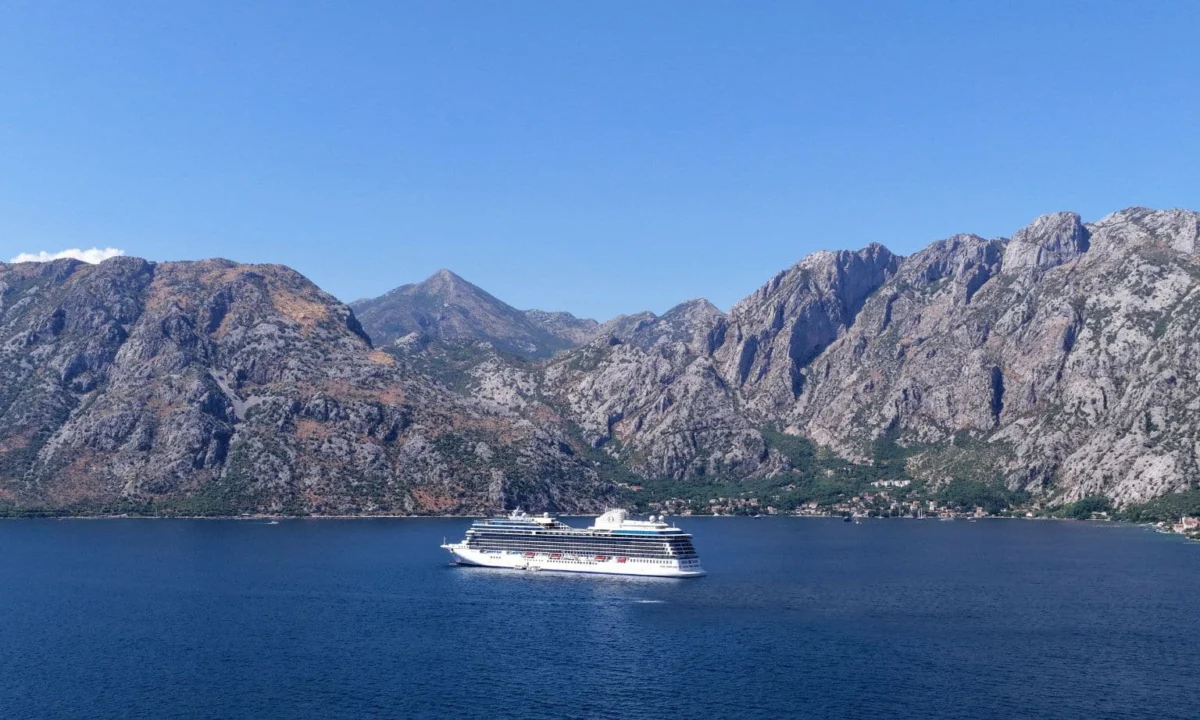
The Norwegian fjords represent one of the most challenging and rewarding maritime environments for cruise operators, characterized by narrow, deep-water passages and rapidly shifting weather patterns. As Cunard expands its footprint in Northern Europe, the deployment of its newest vessel, Queen Anne, signals a strategic pivot toward blending high-luxury transit with destination-immersive exploration. Launched in 2024 as the fourth ship in the current Cunard fleet, Queen Anne is specifically engineered to navigate the unique geography of the Scandinavian coastline while providing an elevated guest experience that prioritizes both aesthetic comfort and cultural enrichment.
Strategic Deployment and Maritime Context
Cunard’s decision to commit Queen Anne to a dedicated Northern Europe season beginning in August 2026 is a calculated response to the surging demand for premium adventure travel. Norway’s cruise tourism industry has seen a steady increase in interest, with over 600,000 cruise passengers visiting Norwegian ports in recent peak seasons. The environmental regulations surrounding the Norwegian fjords have become increasingly stringent, with the Norwegian Maritime Authority mandating that all cruise ships entering World Heritage-listed fjords—such as the Geirangerfjord and Nærøyfjord—must meet zero-emission requirements by 2026.
Queen Anne has been constructed with modern environmental considerations in mind, including advanced waste management systems and hull designs optimized for fuel efficiency. By positioning the ship in this region, Cunard is not only meeting the logistical requirements of the route but is also catering to a demographic that values sustainable luxury. The vessel’s presence in ports like Ålesund, Tromsø, Narvik, and Stavanger provides a high-capacity yet refined alternative to smaller, less equipped expedition ships, allowing for a broader range of guests to experience the Arctic Circle in comfort.

A New Aesthetic for a Legacy Brand
The design philosophy behind Queen Anne represents a departure from the traditional, darker Art Deco influences seen on the Queen Mary 2. The vessel, which spans 113,000 gross tons and accommodates approximately 3,000 guests, utilizes a design language described by architects as "modern classicism." The integration of light-filled, expansive glass structures—most notably in The Pavilion—is a direct response to the specific needs of fjord cruising.
Unlike itineraries in the Caribbean or Mediterranean, where the ship acts as a floating hotel between destinations, a Norwegian itinerary is centered on the view from the deck. The layout of the ship, featuring the Sky Bar and the Panorama Pool Club, ensures that the external environment is always visible. The technical specifications of these lounges are designed to mitigate the effects of the wind and cooler temperatures typical of the Norwegian Sea, allowing for year-round deck access.
Chronology of Northern European Expansion
Cunard’s expansion into the region follows a multi-year recovery plan for the global cruise industry. The following timeline outlines the progression of their Northern European operations:
- 2024: Official entry of Queen Anne into the global fleet, performing initial shakedown cruises and Mediterranean transits.
- August 2026: Commencement of the inaugural dedicated Northern Europe season, focusing on the Norwegian coastline.
- November 2026: Launch of the 12-night Southampton-based voyage, targeting late-season autumn light and the potential for Northern Lights observation in Tromsø.
- October 2027: Expanded itinerary deployment, including prolonged stays (two-day calls) in Tromsø and Narvik to facilitate deeper cultural engagement and shore excursions.
Integrating Local Flavors and Global Expertise
A core component of the Cunard experience is the fusion of international culinary standards with regional identity. The introduction of the "Nordlys" dining concept is an attempt to localize the onboard experience. By utilizing Scandinavian flavor profiles—such as locally sourced seafood, foraging-inspired botanicals, and traditional preservation techniques—the dining program serves as a sensory extension of the voyage.

Furthermore, the collaboration with Michelin-starred chef Michel Roux Jr. represents a strategic partnership aimed at capturing the luxury market. By hosting residencies on select sailings, Cunard differentiates its culinary offering from competitors who rely on fixed menus. This "residency model" allows for dynamic guest engagement, where cooking demonstrations and lectures provide an intellectual layer to the dining experience. Data from cruise industry surveys indicate that "culinary tourism" is a primary driver for passengers in the 50-plus demographic, making these investments critical to customer retention and brand loyalty.
Holistic Wellness and Intellectual Enrichment
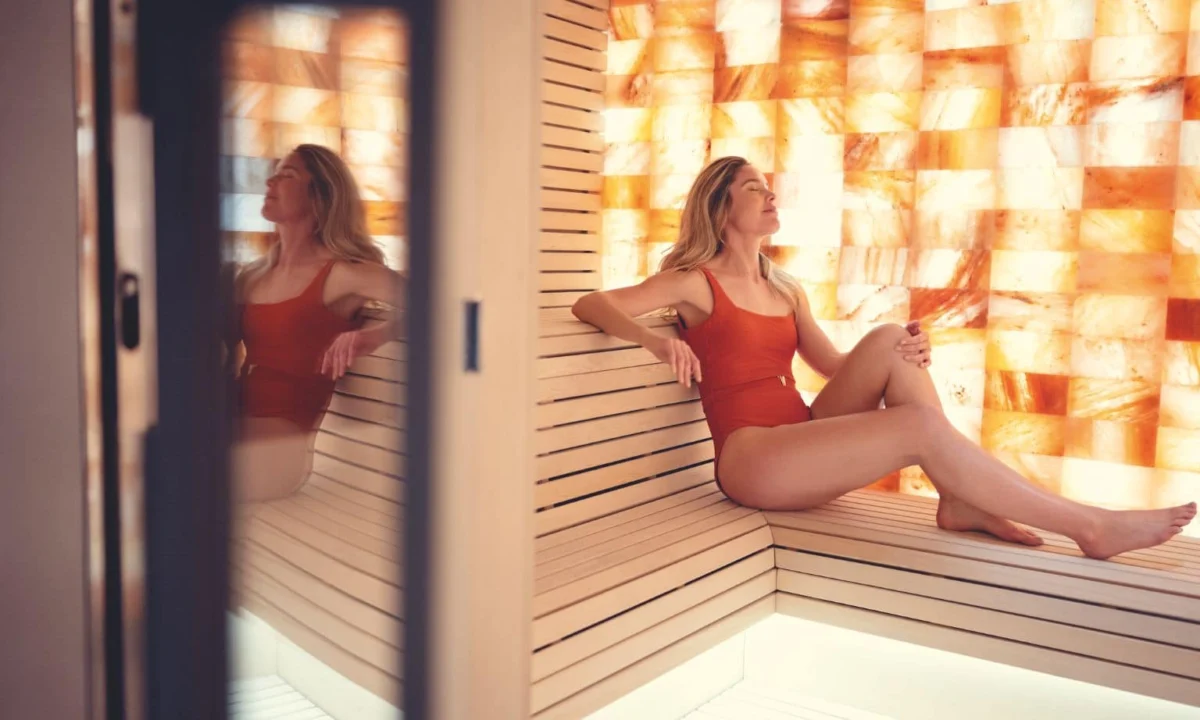
The inclusion of the Mareel Wellness & Beauty center marks a significant evolution in Cunard’s service model. The Aqua Therapy Centre, which features a Finnish sauna and sensory showers, is tailored to the climate of Northern Europe. Providing a thermal experience immediately after a cold-weather shore excursion is a strategic move to position the ship as a sanctuary.
Beyond physical well-being, the "Cunard Insights" program addresses the demographic’s demand for intellectual stimulation. By bringing historians, geologists, and climate scientists on board to discuss the evolution of the fjords and the history of the Viking Age, the cruise line shifts the narrative from mere sightseeing to active learning. This educational focus is reinforced by the Drawing Room, which provides a quiet, library-like atmosphere—a hallmark of the Cunard brand that remains popular among guests seeking a respite from the activity of port days.
Economic and Cultural Implications
The deployment of a vessel of this scale has tangible implications for the ports of call. Towns like Narvik and Ålesund rely heavily on the economic influx provided by cruise passengers. The "two-day call" model, which Cunard is piloting for its 2027 season, is a significant shift in cruise operations. Historically, ships would arrive in the morning and depart by evening. By extending the stay, Cunard allows for a more meaningful economic impact on local businesses, as guests have the time to engage in multi-stage excursions, overnight land stays, or evening cultural events that are impossible during a standard 8-hour port call.

From an environmental perspective, the decision to use larger, newer vessels like Queen Anne is a double-edged sword. While the ship is more efficient than older vessels, the increased capacity puts pressure on small coastal infrastructures. Consequently, local municipalities in Norway have been working closely with cruise lines to stagger arrivals and manage passenger flow. Cunard’s proactive communication with these port authorities is essential for maintaining the "social license to operate" in these sensitive UNESCO-protected waters.
Summary of Guest Experience
The distinction of a Cunard voyage lies in the balance between the "White Star Service"—the line’s signature white-glove service standard—and the ruggedness of the destination. For guests in the Princess and Queens Grill Suites, the experience is further privatized through exclusive access to the Grill Suite Terrace. This segment of the market, which prioritizes seclusion and high-touch service, is increasingly driving revenue for the line.
As the 2026 season approaches, the industry will be watching closely to see if this model of "elevated exploration" successfully translates to the Norwegian market. By focusing on the intersection of modern Scandinavian design, culinary excellence, and a commitment to deep-destination programming, Cunard is attempting to redefine what a luxury cruise means in the modern era. The success of these sailings will likely determine the future allocation of their fleet and the extent to which other traditional cruise lines pivot toward similar high-end, destination-specific offerings.
For prospective travelers, the value proposition is clear: the ability to witness the raw, geological power of the Norwegian fjords from the vantage point of a vessel that operates with the precision and grace of a bygone era. Whether through the lens of a camera in the Commodore Club or the steam of a sauna in the Mareel center, the journey is designed to be as immersive as the destination itself.

 Lukman Taruna Persada Ramadan
 Tatiana Tantri Indah Sari
 Anjar Salim
 Budi Mulyono